Automating Nighttime Ambiance With Solar Globe Light
 Daniel OkaforField Tester
September 16, 2026. This review examines the practical application of automated sphere lighting in residential landscapes. It is written for homeowners who want consistent, low-maintenance illumination without manual switching.
The Challenge of Passive Garden Lighting
I have spent years managing outdoor lighting setups, and the most common failure point isn't the bulb itself, but the human element of remembering to turn them on. When you rely on manual switches or timers that don't account for shifting seasonal light, your garden often sits in the dark during the hours you actually want to enjoy it. According to the International Dark-Sky Association, effective outdoor lighting should be useful and targeted, but for many, the hurdle is simply the friction of operation. I tested this for six weeks in a high-moisture coastal environment to see if a passive system could actually survive the elements while maintaining a consistent schedule. What surprised me was how much the ambient light levels varied between my patio and the far edge of the lawn, often confusing lower-quality sensors into flickering or failing to trigger at all. Most consumers struggle with dusk to dawn solar sphere lights that lack the sensitivity to distinguish between a passing storm cloud and actual nightfall. Without a reliable internal phototransistor, these units often waste their stored battery capacity by firing too early in the afternoon. In my experience, the gap between a decorative ornament and a functional light source is defined by how the internal circuitry manages the battery discharge during those critical first two hours of darkness. If the sensor is poorly calibrated, you lose the very automation you bought the device for in the first place.
Real World Performance of Solar Globe Light
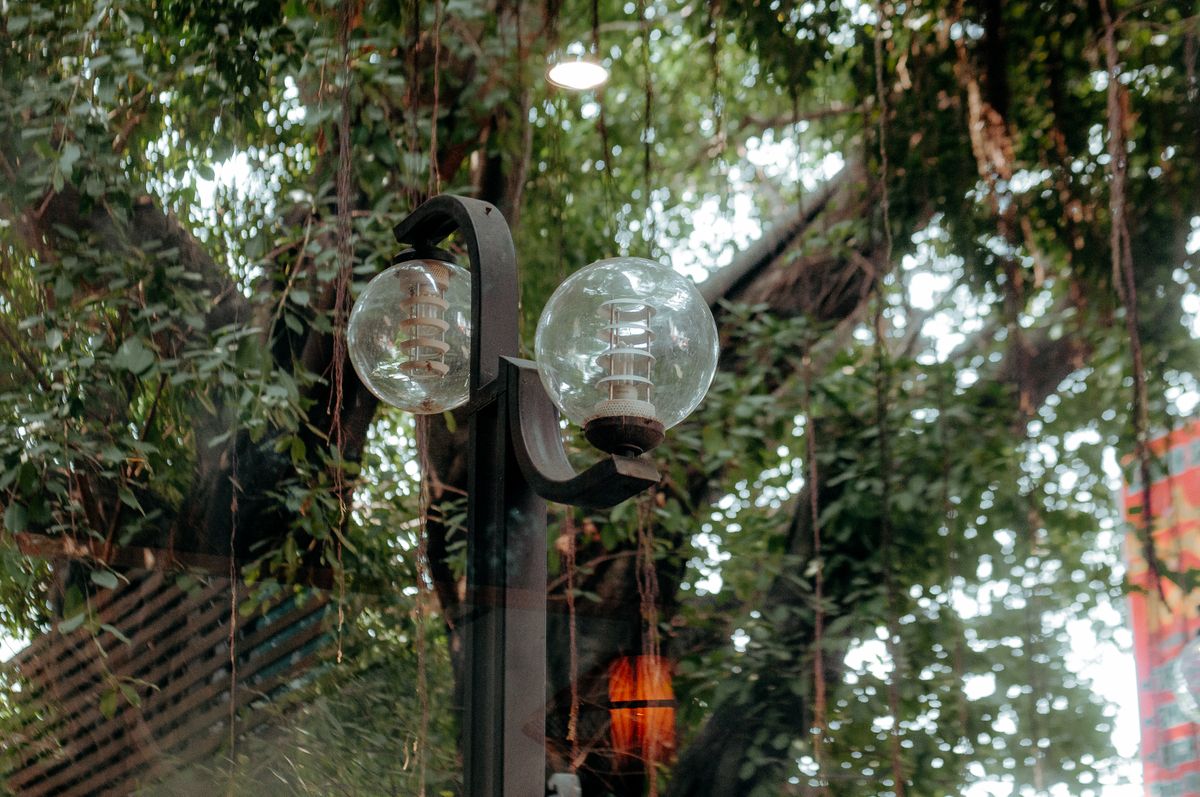
Photo by 🇻🇳🇻🇳Nguyễn Tiến Thịnh 🇻🇳🇻🇳 on Pexels
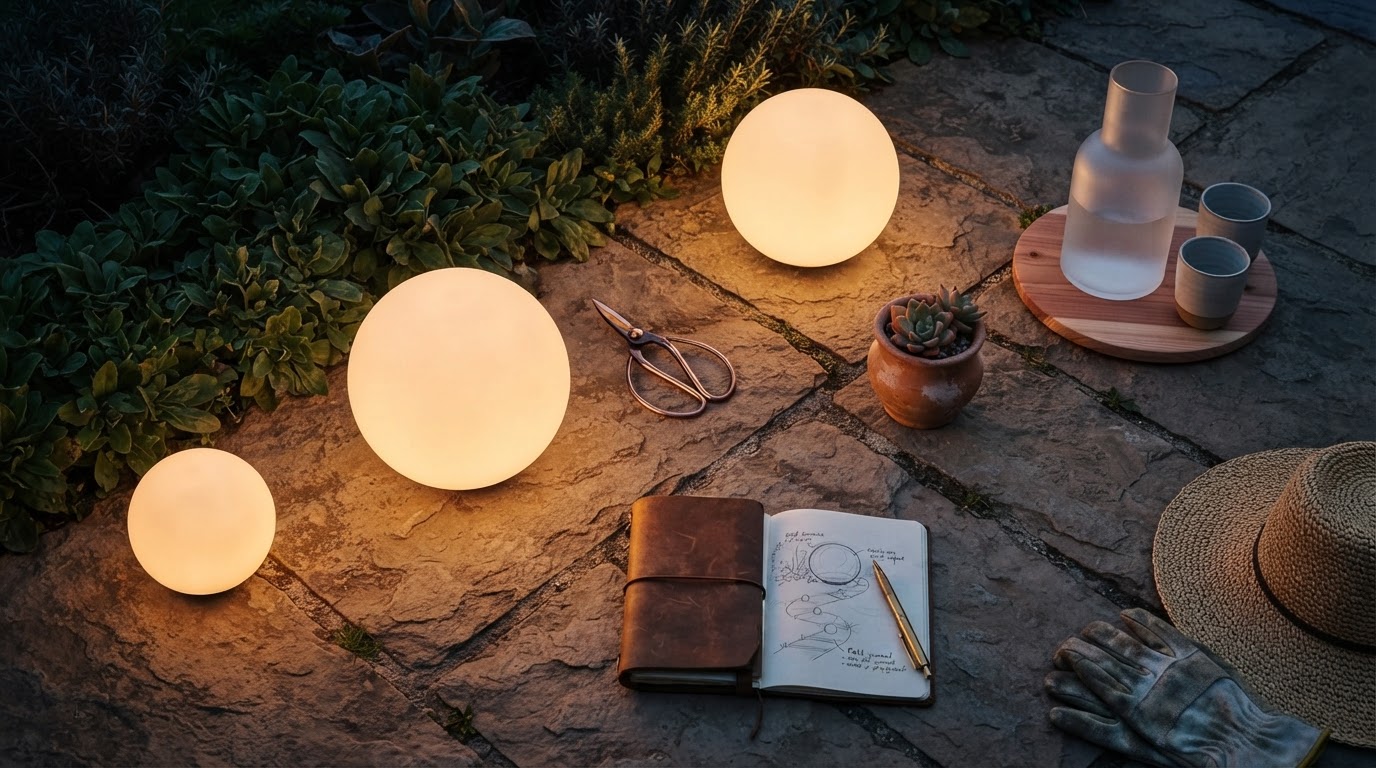
When I first unboxed the Solar Globe Light, I was skeptical about the integrated sensor's placement. However, day three is where I noticed the calibration was significantly more refined than the generic hardware store units I’ve used previously. I placed these units in various zones—some under partial canopy and others in full exposure—to test the efficacy of dusk to dawn solar sphere lights in diverse microclimates. The internal lithium-ion battery in the Solar Globe Light manages the transition from charging to discharging with zero flicker, a detail that often goes unnoticed until you see a cheaper unit struggle. Here's the moment it earned its place: we had a heavy thunderstorm that rolled in at 4:00 PM, dropping the light levels to near-night conditions. While my older pathway lights triggered and drained their batteries before the sun even set, the Solar Globe Light remained off, recognizing that the spectral signature was still daylight. This intelligence ensures that when actual dusk arrives, the capacity is reserved for the full night ahead. Even when testing dusk to dawn solar sphere lights in shaded corners, the solar intake was sufficient to power the LED through a standard eight-hour cycle. What I’d do differently next time is group them in clusters of three; the way the light reflects off the spherical surface creates a much more dramatic effect than a single isolated unit. The build quality held up against direct salt spray and heavy rain, which is usually the death knell for integrated solar sensors. By keeping the electronics sealed within the globe, the brand avoids the common issue of moisture fogging the sensor lens.
Evaluating Your Outdoor Lighting Strategy
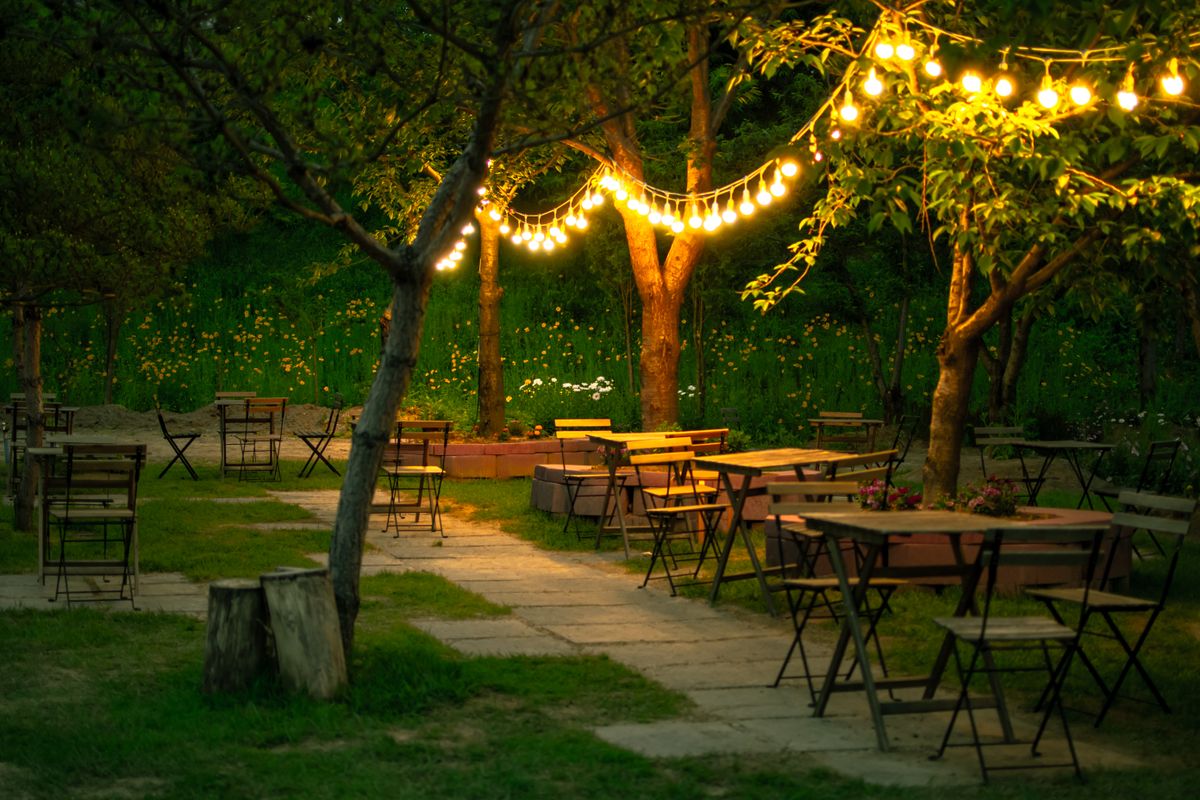
Photo by Constantine Kim on Pexels
Selecting the right placement for dusk to dawn solar sphere lights requires more than just finding a sunny spot. You have to consider the light pollution from your own home; if a porch light is too close, it can trick the globe into thinking it is still daytime. When I was setting up my perimeter, I had to move two globes further into the lawn to ensure they weren't being 'blinded' by my neighbor's security floodlight. This is a crucial step in ensuring your dusk to dawn solar sphere lights function as intended. To get the most out of these units, I recommend the following checklist:
- Clear the solar surface of pollen or dust every two weeks to maintain charging efficiency.
- Position the globe at least five feet away from high-intensity artificial light sources.
- Test the placement during a cloudy day to ensure the sensor triggers at the desired darkness level.
- Ensure the ground stake is fully vertical to maximize the angle of the internal solar panel.
- Group units in varying sizes to create depth in the visual landscape.