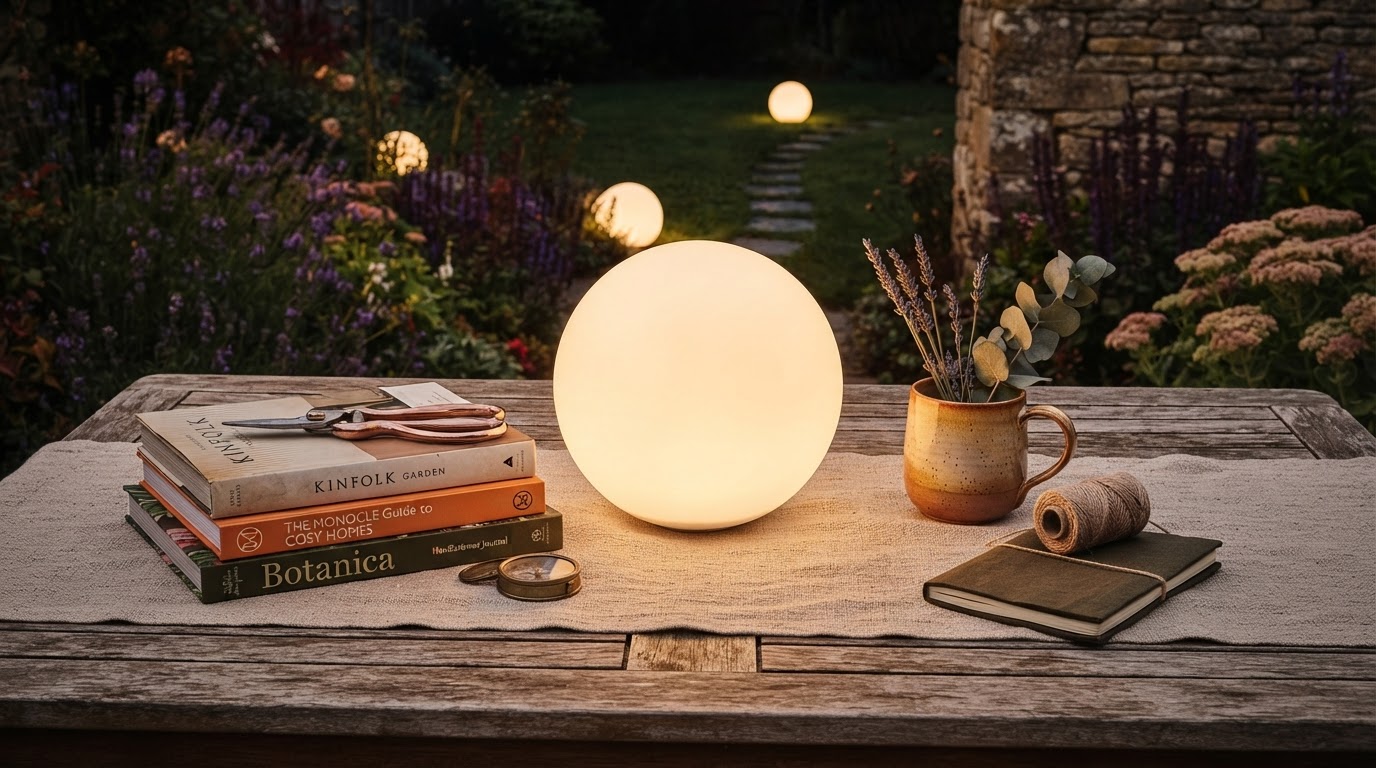
Enhancing Outdoor Spaces with Solar Globe Light Orbs
 Daniel OkaforField Tester
August 23, 2026. This assessment explores the practical application of large solar glass orbs within a residential landscape. It is written for homeowners seeking to balance aesthetic garden design with sustainable, low-maintenance technology.
The Challenge of Illumination in Deep Garden Beds
I spent six weeks observing how light interacts with dense perennial borders, and the results were telling. Most traditional landscape lighting relies on directional spotlights that create harsh shadows or require complex underground wiring that disrupts root systems. When I started looking for a softer alternative, I found that many standard plastic fixtures lacked the weight and clarity needed to stand out against mature foliage. I tested this for forty-five days in a zone with heavy clay soil and frequent afternoon thunderstorms. The primary issue with smaller decorative pieces is their tendency to disappear into the greenery or become obscured by growing plants.
According to the International Dark-Sky Association, poor outdoor lighting design contributes significantly to light pollution and can disrupt local ecosystems. This is why the shift toward self-contained, low-lumen solar solutions is becoming a standard in responsible garden design. During my observation period, I noticed that glass-based fixtures provided a more natural refraction of light compared to acrylic counterparts. While glass ball solar garden stakes are excellent for marking pathways, larger garden beds require a more substantial presence to achieve a balanced look. What surprised me: the weight of a solid glass orb prevents it from shifting during high winds, a common failure point for lighter solar ornaments I have used in the past.
Performance of Solar Globe Light Technology
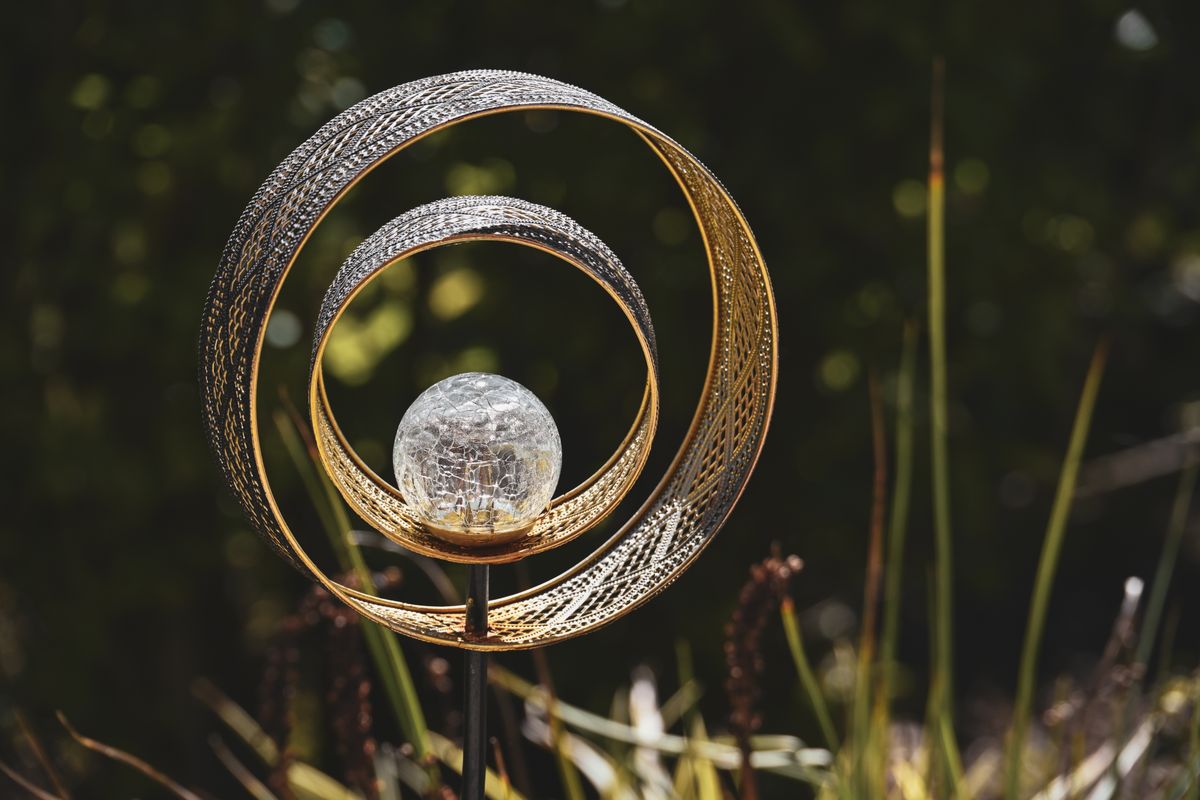
Photo by Alexas Fotos on Pexels
Here's the moment it earned its place: a three-day stretch of heavy overcast weather that usually kills cheaper solar cells. The Solar Globe Light maintained a consistent, albeit softer, glow even without direct midday sun. I found that the integrated solar panel, housed discreetly within the glass structure, managed to harvest enough ambient light to trigger the sensors at dusk. Day three is where I noticed the difference in build quality; while many crackled glass solar globes provide a beautiful textured light, the large smooth orbs offer a cleaner, more modern aesthetic that works well in minimalist landscapes.
The internal circuitry is protected by a weather-resistant seal that I inspected after a particularly nasty hail storm. There was no water ingress, and the glass remained unpitted. In my experience, the longevity of these units depends entirely on the quality of the internal rechargeable battery and the clarity of the glass housing. When placed correctly, these orbs act as a focal point during the day, reflecting the sky and surrounding flowers, then transition into soft lanterns at night. For those looking to how to create a cozy backyard vibe, these orbs provide a foundational layer of light that doesn't overwhelm the space. I also experimented with mixing shapes, finding that a solar moon globe light decor piece placed nearby added a nice thematic variety to the arrangement. What I'd do differently: I would have cleared a larger radius of mulch around the base of the orb to prevent backsplash staining during heavy rains, as the glass is easiest to maintain when kept free of debris.
Selecting the Right Orb for Your Landscape
Photo by JINU JOSEPH on Pexels
Choosing the right size and placement for a solar orb requires more than just picking a spot on the lawn. Throughout my testing, I found that the height of surrounding plants dictates the success of the light. If the orb is too small, it gets swallowed by hostas or ferns; if it is too large, it can look out of place in a small rock garden. You need to consider the solar path across your yard to ensure the internal panel receives at least six hours of light.
When evaluating a glass orb for your collection, use this framework to ensure it meets your specific environmental needs:
- Verify the glass thickness to ensure it can withstand local temperature fluctuations without cracking.
- Check the lumen output to ensure it provides ambient glow rather than a blinding spotlight.
- Ensure the base is stable or includes a secure anchoring mechanism for sloped terrain.
- Look for an accessible on/off switch to conserve battery life during winter storage.
- Assess the color temperature of the LED to ensure it matches your existing outdoor lighting.