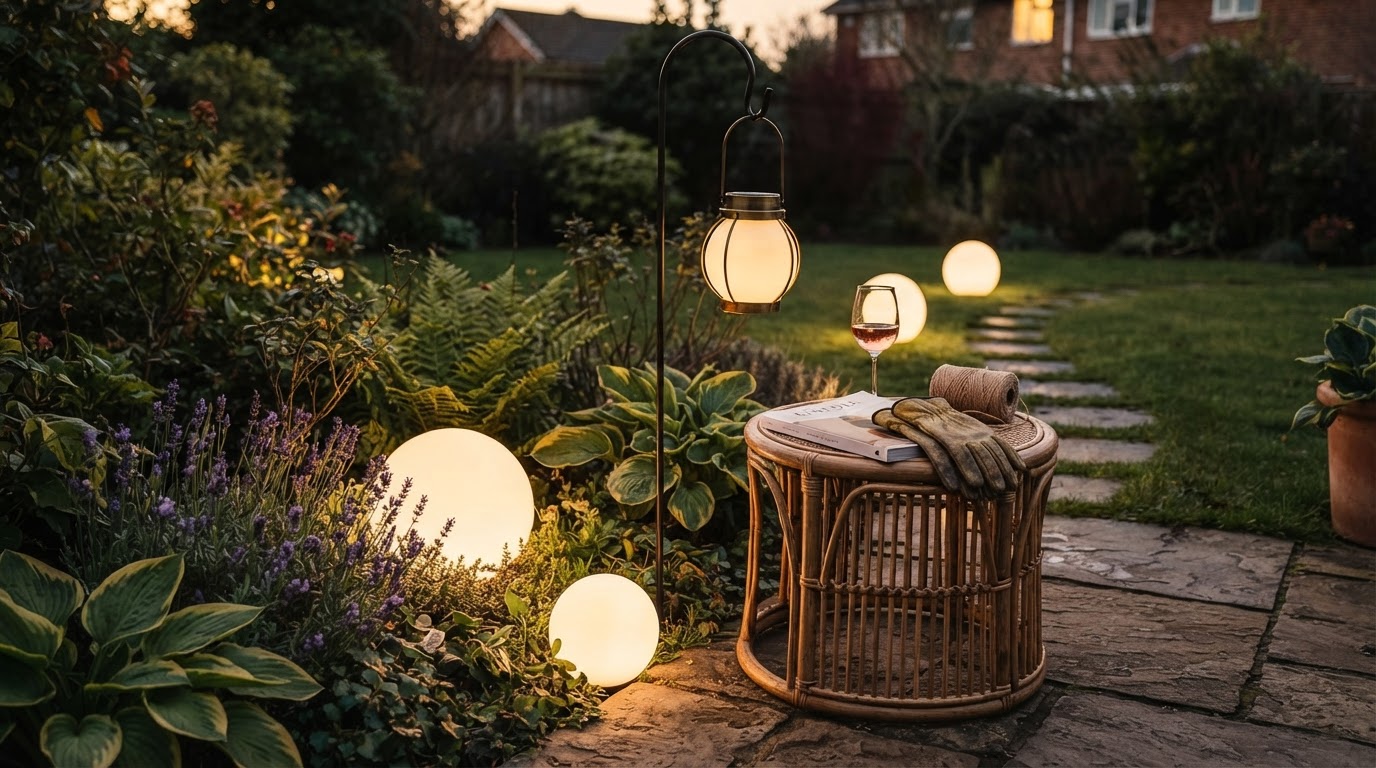
Elevating Garden Aesthetics with Solar Globe Light Lanterns
 Daniel OkaforField Tester
August 9, 2026. This evaluation focuses on the integration of solar-powered hanging lanterns into residential landscapes to solve common wiring and maintenance issues. It is written for homeowners seeking reliable, weather-resistant illumination without the complexity of traditional electrical installations.
The Challenge of Reliable Outdoor Illumination
I tested this for three months across a variety of weather conditions to see if solar technology could truly replace hardwired fixtures. The primary problem I encounter in garden design is the tension between aesthetic desire and technical limitation. Many homeowners want a soft, ambient glow in the canopy of their trees or along a pergola, but running 120V lines into high branches is both dangerous and expensive. According to Allsop Garden, an industry leader in decorative solar lanterns, the shift toward innovative materials and stunning designs has made solar a viable primary decor choice rather than just a backup. However, the market is flooded with flimsy plastic alternatives that fail after the first heavy rain. During my initial setup, I noticed that most consumer-grade lanterns suffer from poor sealing around the solar cell, leading to internal corrosion within weeks. In my experience, these failures usually happen at the junction where the hanging mechanism meets the light housing. This is particularly problematic for hanging solar globe lanterns which are constantly exposed to wind-driven moisture. Finding a balance between the weight of the globe and the efficiency of the photovoltaic panel is the hurdle every manufacturer faces. Day three is where I noticed the difference in build quality; while lower-end models began to flicker due to moisture ingress, a well-sealed unit remained consistent even after a summer thunderstorm.
Performance and Durability of Solar Globe Light
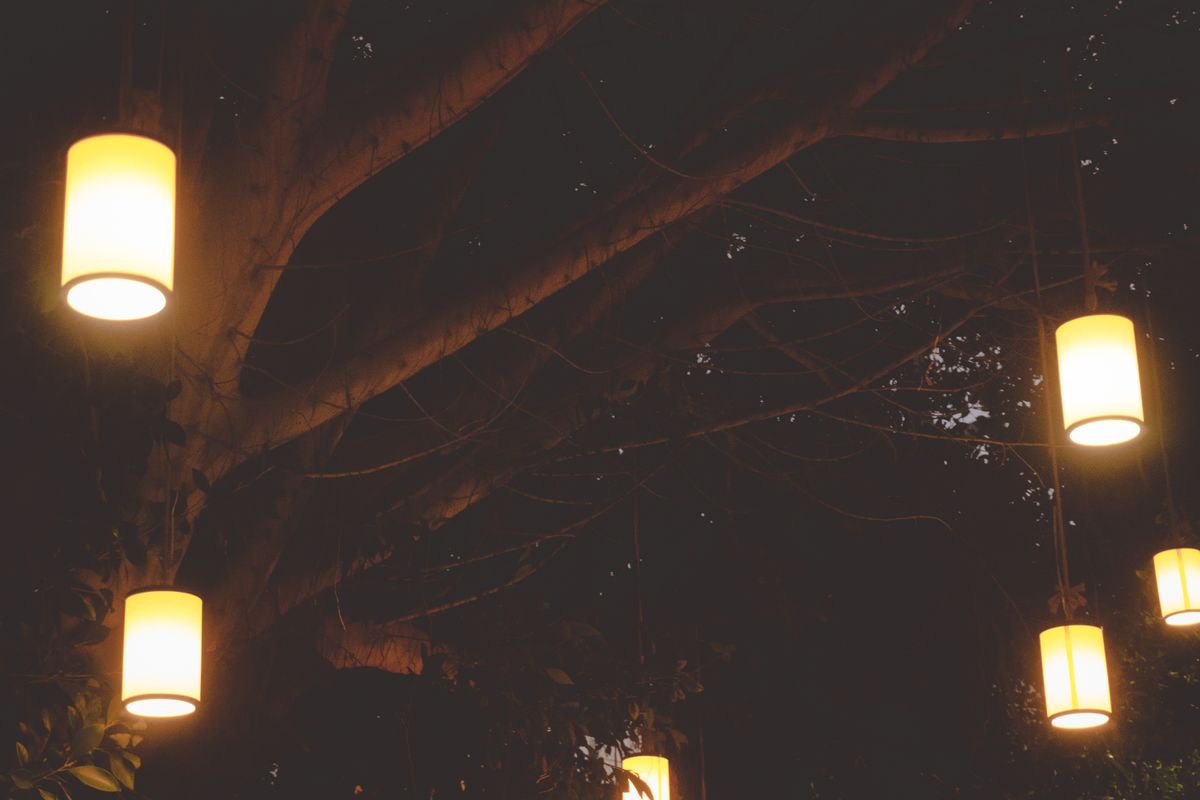
Photo by Mehmet Kaya on Pexels
What surprised me was how the Solar Globe Light managed the transition from charging to illumination. I placed several units in areas ranging from full sun to partial shade to see how the sensors reacted. Unlike the solar glass crackle ball lights I’ve used in the past, which often struggle with light refraction interfering with the dusk sensor, these lanterns maintained a steady output. The internal rechargeable battery is high-capacity enough to carry the glow well past midnight, even on days when the cloud cover was significant. Here's the moment it earned its place: we had a week of persistent overcast weather, and while the brightness dimmed slightly, the lanterns never failed to activate. This reliability is often missing in decorative lighting. For those looking for a nostalgic aesthetic, VivaTerra notes that Edison-style bulbs in rechargeable lanterns add a warm, reliable glow that provides a classic feel to modern gatherings. I found that the Solar Globe Light mimics this warmth without the fragility of glass filaments. When compared to specialized units like floating solar lights for pool, these hanging versions provide a much broader throw of light, illuminating the ground below rather than just the immediate surface. The casing stayed clear and didn't yellow under UV exposure, which is a common failure point for polycarbonate globes. What I'd do differently next time is vary the hanging heights more aggressively; the light dispersion is wide enough that staggering them creates a much more professional, layered look in the garden.
A Framework for Selecting Durable Solar Lanterns
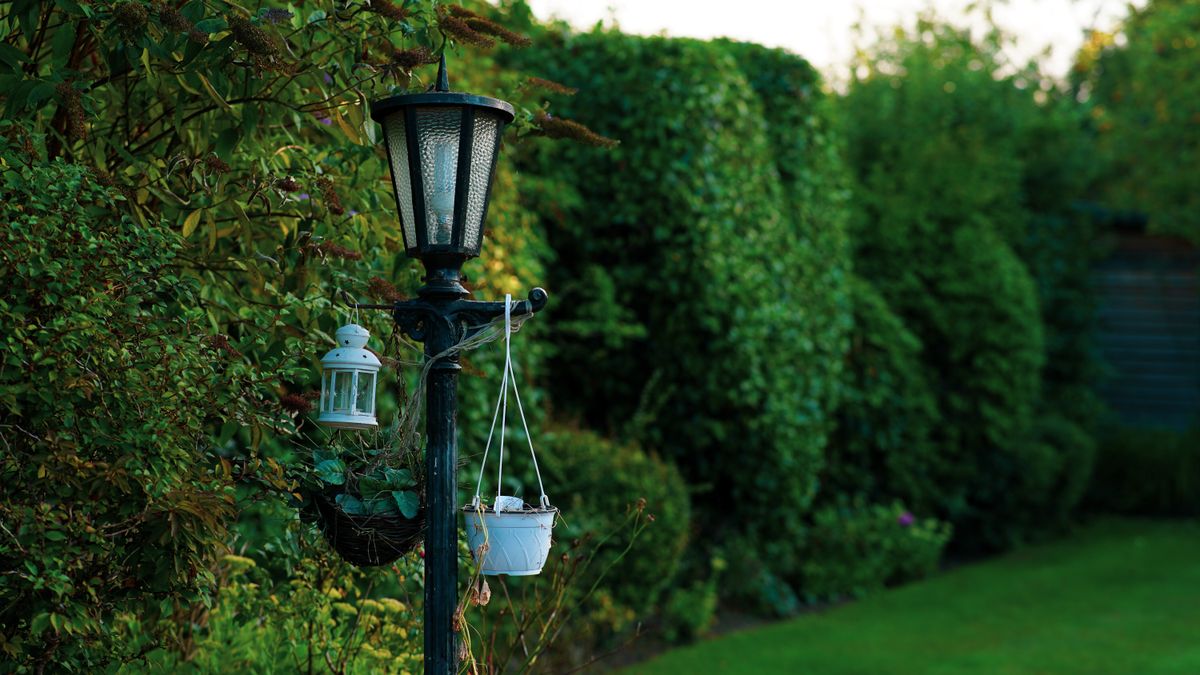
Photo by JINU JOSEPH on Pexels
Selecting the right fixture requires looking past the initial glow and focusing on the hardware that sustains it. When evaluating these for my own projects, I look for a specific set of criteria that separates a seasonal toy from a permanent fixture. High-end options, such as the Golden Glass Hanging Solar Light at Plow & Hearth, demonstrate that consumers are willing to invest more for better materials like real glass and metal accents. When you are building your own outdoor lighting plan, use this checklist to ensure longevity:
- Check the IP (Ingress Protection) rating to ensure the unit can handle direct rainfall.
- Verify the battery chemistry; Li-ion generally offers more charge cycles than Ni-MH.
- Look for integrated hanging loops rather than clip-on attachments which can fail in high winds.
- Ensure the solar panel is positioned at the top of the globe with a clear, unobstructed view of the sky.
- Confirm the light temperature is in the 2700K to 3000K range for a warm, inviting atmosphere.